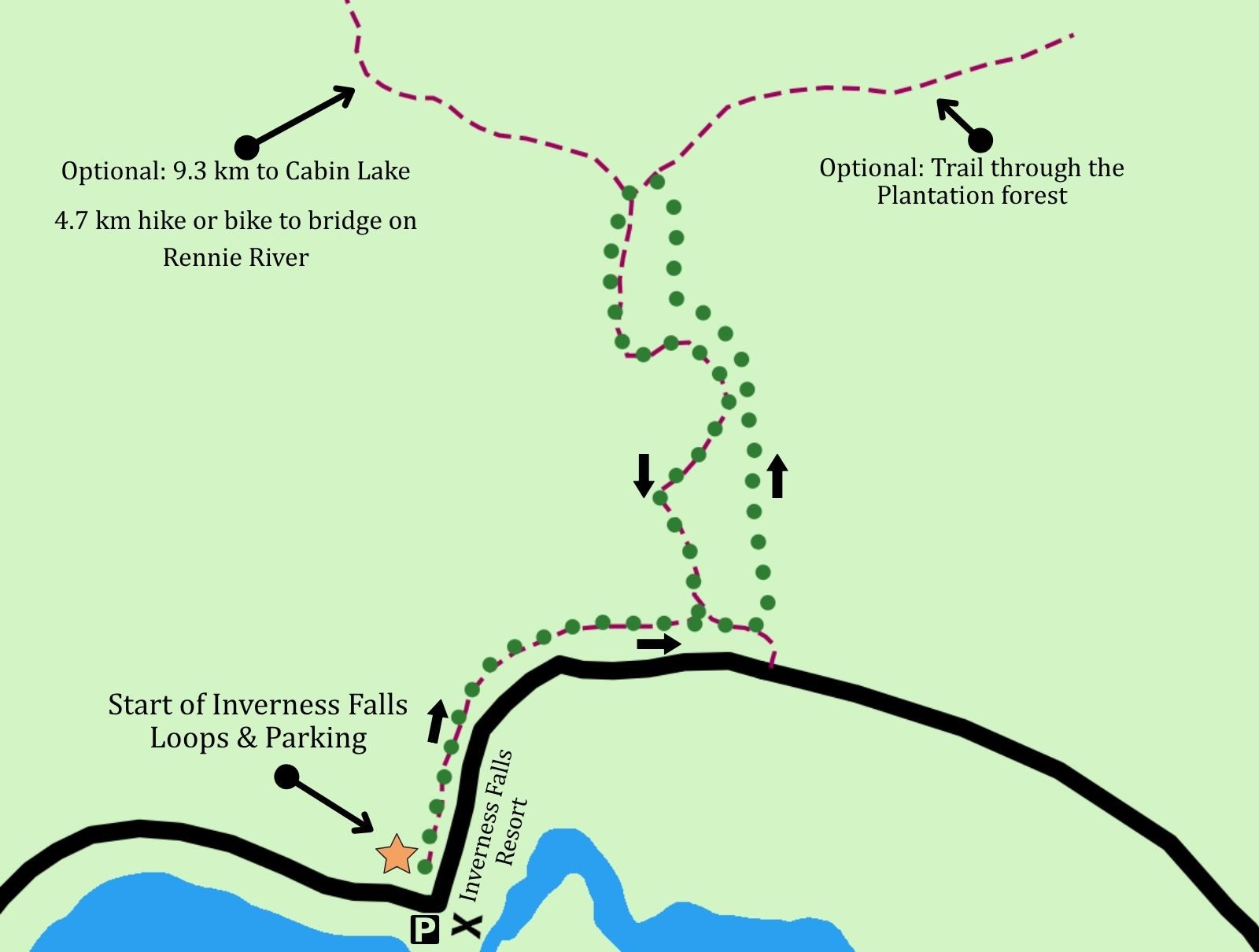
Celebrate Canada! Canada Day and all year long; discover the Self-Guided Plant Walk on the Inverness Falls Loops of the Trans-Canada Trail
Working with our nephew Chad Cornell, master herbalist with The Hollow Reed School, we have put together a list of plants you can find on the Inverness Falls loops of the Trans-Canada Trail; and some fun facts on each. All of the plants and trees Chad has suggested we include have amazing medicinal properties.
Chad offers a course on the medical uses of Manitoba plants (www.hollowreedholistic.ca). Also, Google offers lots of information on plants growing right here in the Whiteshell.
As you are hiking the trail, you may spot some of the painted rocks from last year’s Walk. Re-hide if you would like, but please don’t take them…(those who enjoyed finding them last year will be looking for their favourites again this year)
CHECKLIST of 20 Plants to find on the trail
_____ Blueberry
_____ Wild sarsaparilla
_____ Fireweed
_____ Dandelion
_____ Goldenrod
_____ Horsetail
_____ Plantain
_____ Meadowsweet
_____ Red Raspberry
_____ Red Clover
_____ Strawberry
_____ Uva Ursi — Bearberry
_____ Wormwood
_____ Wild Rose
_____ Yarrow
_____ Eastern White Cedar
_____ Juniper
_____ Larch or Tamarack
_____ Birch Polypore
_____ Usnea
Painted Rocks spotted
___________ ______________ _________________ ____________________
___________ ______________ _________________ ____________________
Blueberry
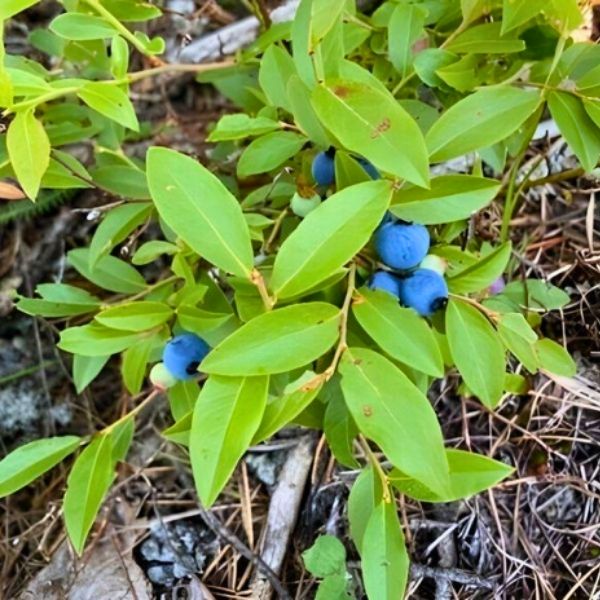
Blueberry… food of the forest; needs no introduction. (and an easy first find)
Wild Sarsaparilla
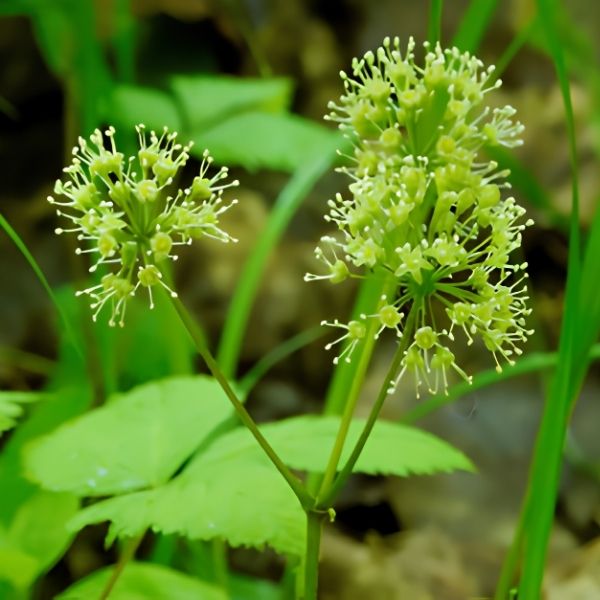
Thrives in stable, mature ecosystems, contributing to soil health and forest resilience. It teaches patience, endurance, and the power of slow, cumulative nourishment. Where other plants reach upward for light, Wild Sarsaparilla works laterally and inward, building strength below.
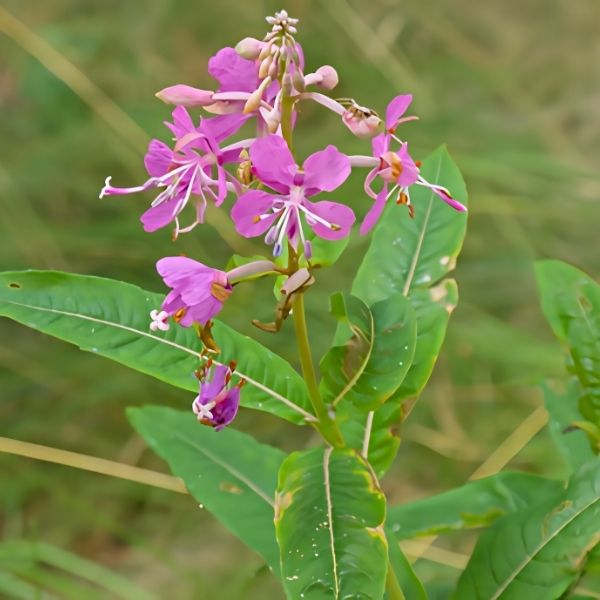
Fireweed
Fireweed is among the first plants to rise from the ashes after forest fire, earning its name and its reputation as a healer of scorched earth. In ecological terms, it re-stabilizes the soil, attracts pollinators, and paves the way for forest regeneration. Its presence signals that the land is beginning to heal. Fireweed is a teacher of renewal and resilience. It arises from blackened ground, transforming loss into colour and fragrance. In this way, it is a plant of rebirth, purification, and beauty after destruction. Fireweed reminds us that beauty is not the opposite of suffering—it is what rises through it. It carries the essence of hope grounded in the ashes, a perfect medicine for our times.
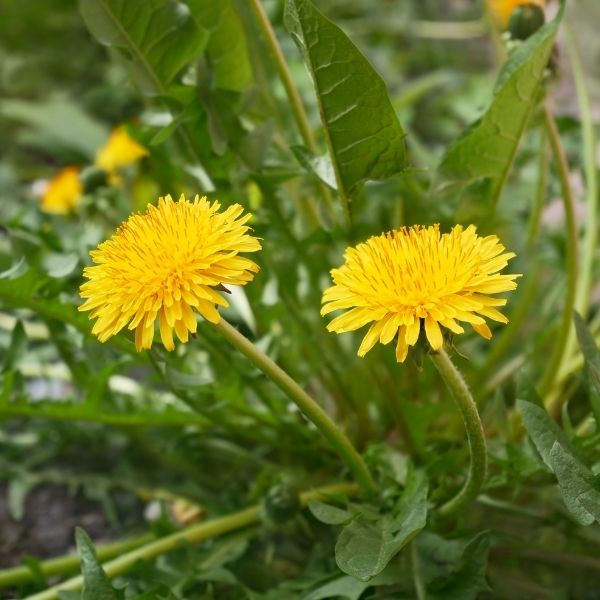
Dandelion
It is said that where dandelions grow, the Earth is reclaiming her strength. In European folk tradition, the blowing of dandelion seeds was thought to carry wishes to the heavens. Among Cree and Ojibway peoples, it has long been recognized as both food and medicine — a tonic for spring cleansing and a sign that the long winter’s hold has been broken. (and often the first food for the bees in the spring).
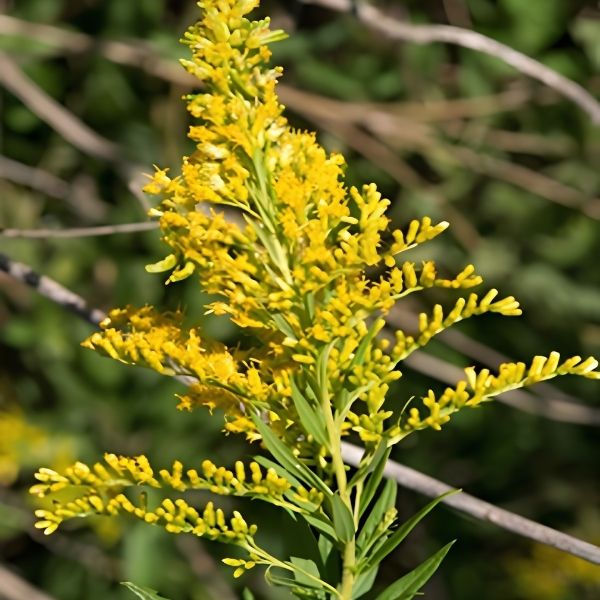
Goldenrod
Goldenrod grows wherever the earth has been disturbed — old roadsides, burned land, abandoned fields. Its appearance is often interpreted as a signature of encouragement and renewal, rising golden and bright where resilience is most needed.
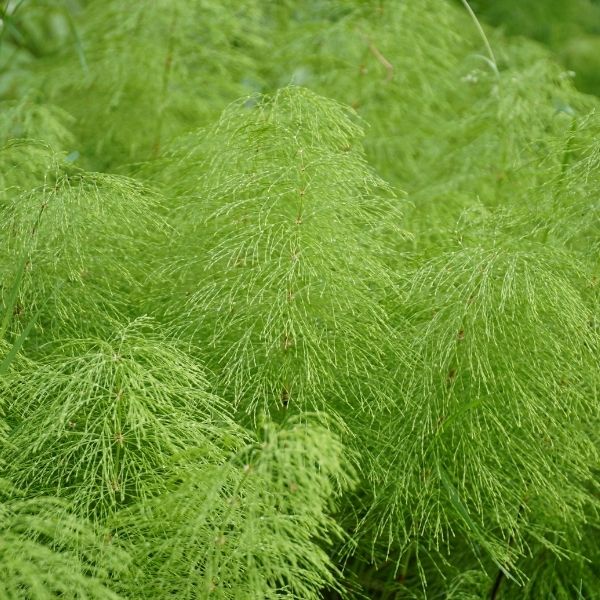
Horsetail
Horsetail is one of the most ancient plants on Earth — a true living fossil, unchanged since prehistoric times when it grew taller than trees. This plant is most renowned for its ability to rebuild and fortify.
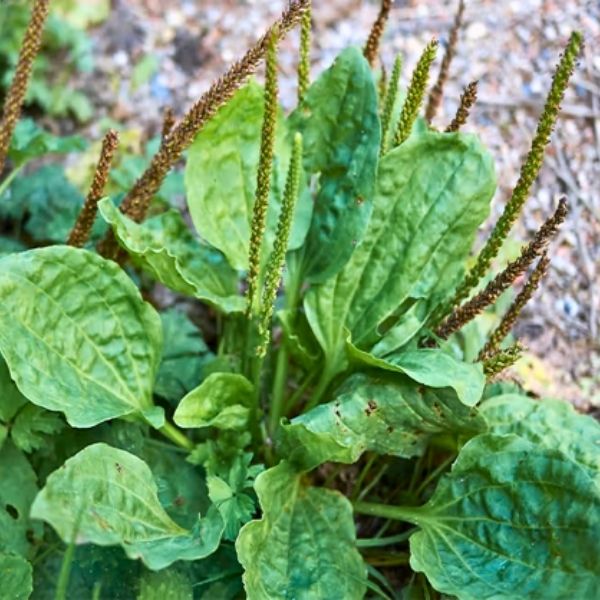
Plantain
This Old World plant has become one of the most familiar and trusted wild medicines on Earth. Known as “White Man’s Foot” because it followed European settlers wherever they went.
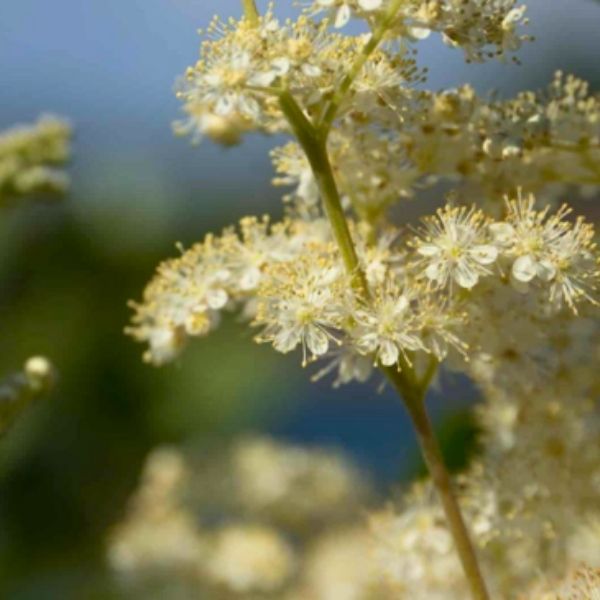
Meadowsweet
The flowers can be added to stewed fruit and jams, giving them a subtle almond flavour. Some foragers also use the flowers to flavour desserts such as panna cotta. It has many medicinal properties. The whole plant is a traditional remedy for an acidic stomach. The dried flowers are used in potpourri. It is also a frequently used spice in Scandinavian varieties of mead.
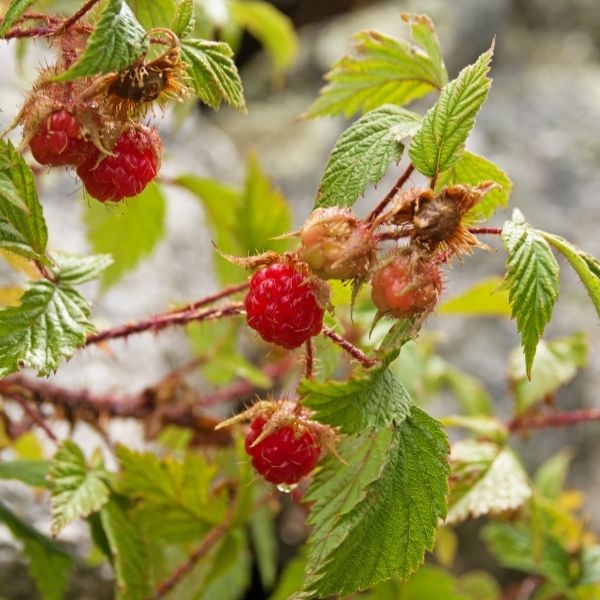
Red Raspberry
Nothing is nicer than enjoying a few berries as you walk along the trail. Nutritional Benefits of Raspberries: High in iron, citrate, folic acid, calcium, and magnesium, making them a valuable blood builder.
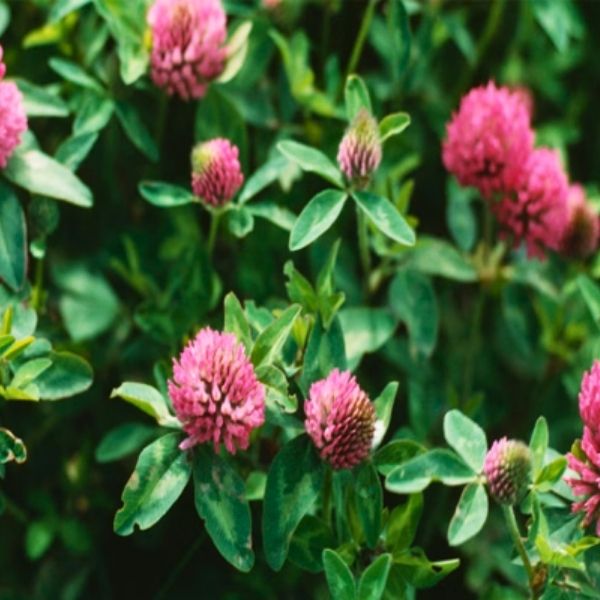
Red Clover
A member of the legume family, its deep root system draws up trace minerals and nitrogen, enriching both the soil and the body. Herbalists from the 19th century Eclectic tradition regarded it as one of the premier “alteratives” — herbs that cleanse and restore balance to the internal environment. (plus I have noticed the bees love it).
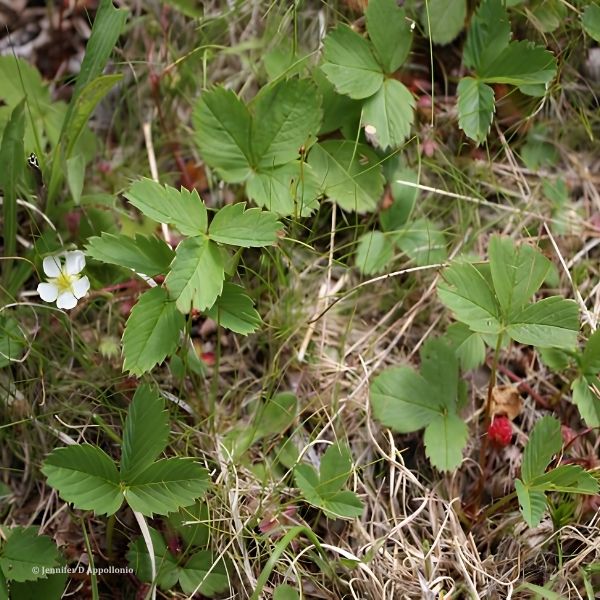
Strawberry
Its delicate white flowers and heart-shaped leaves mirror its affinity for the heart and circulation, while its sweet fruit nourishes the spirit. The leaves and shoots are rich in tannins, flavonoids, vitamin C, and trace minerals.
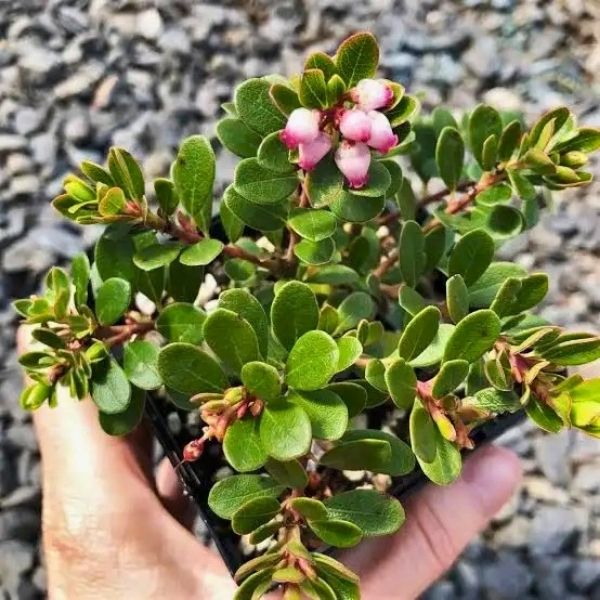
Uva Ursi — Bearberry
Is a hardy, evergreen groundcover that thrives in the cold, dry soils of the north. Its small, shiny leaves and scarlet berries persist through snow and wind, feeding bears and birds alike. The berries were eaten raw or cooked as food and medicine.
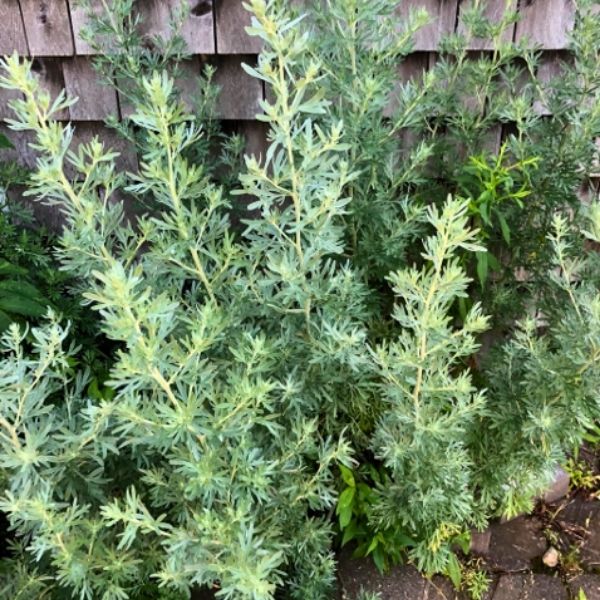
Wormwood
Among Indigenous and rural communities of Manitoba and the northern plains, wormwood was valued both as a medicine and as a smudge. Its smoke repelled mosquitoes and blackflies, allowing outdoor life and ceremony to proceed in peace. Infused oil or decoction applied as a wash for rashes, itchy skin, or insect bites. (When I was a kid, we boiled the leaves and used the liquid to relieve the itch from poison ivy).
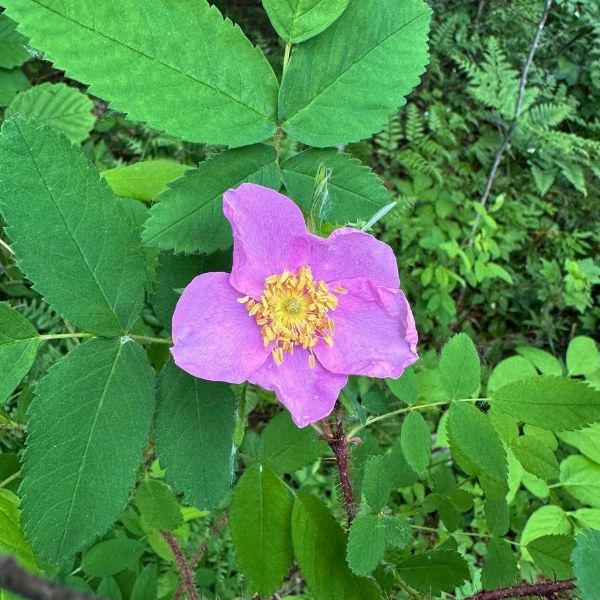
Wild Rose
High in Vitamin C, it boosts immunity, aids in digestion, and can even aid in reducing arthritis pain. (… and they make the world smell so good!)
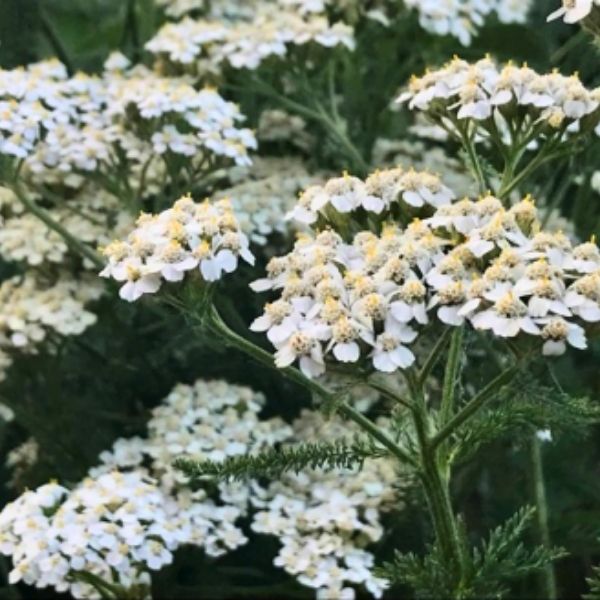
Yarrow
The genus name Achillea honours the Greek hero Achilles, who, according to legend, carried yarrow into battle to staunch the bleeding of soldiers’ wounds. Across cultures, yarrow has been revered as both protector and bridge—a plant of the thresholds. Indigenous peoples of North America used it to reduce fever. In Europe and Asia, it was woven into wreaths for divination and protection; in China, yarrow stalks were the traditional counting sticks of the I Ching, symbolizing clarity, wisdom, and guidance from the unseen. The luminous white umbels, so common in wild meadows, give off an unmistakable aura of calm strength—a presence that soothes while sharpening awareness
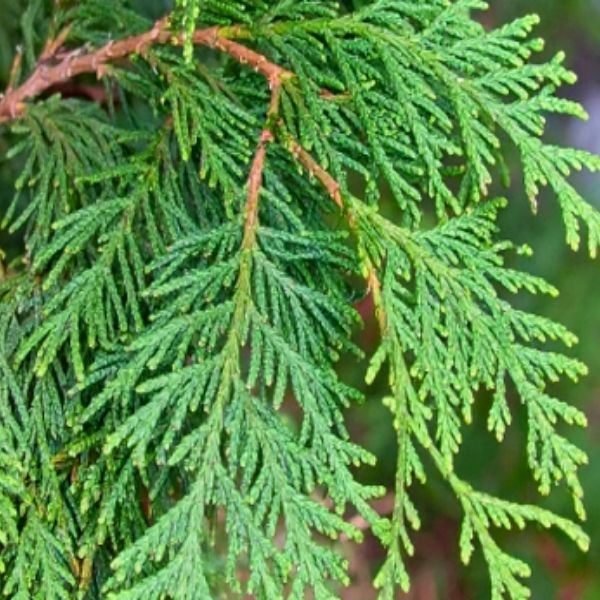
Eastern White Cedar
Cedar is revered by many Indigenous peoples of North America as a sacred medicine—used for purification, protection, and connection to the spirit world.
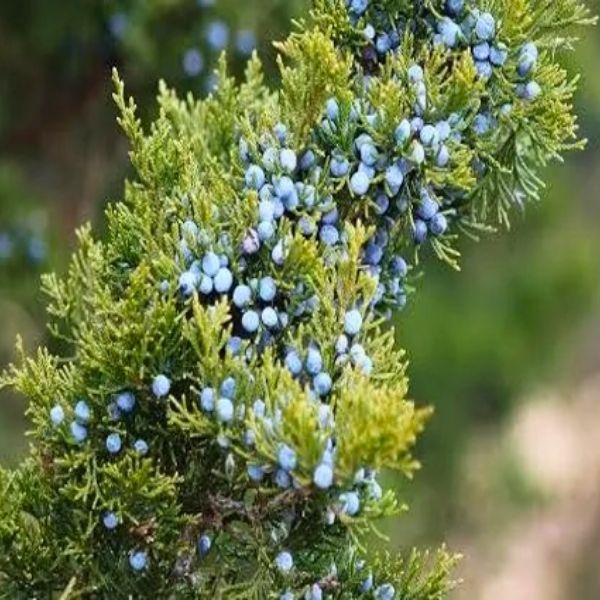
Juniper
Juniper has been revered as a solar purifier and protective herb since ancient times. It was burned in temples to ward off plague and pestilence, and the Cree used the bark in poultices for wounds. The Blackfoot placed juniper on the floors of sweat lodges and Sundance lodges for cleansing and protection. Juniper carries the energy of fire and sunlight, cleansing both body and spirit.
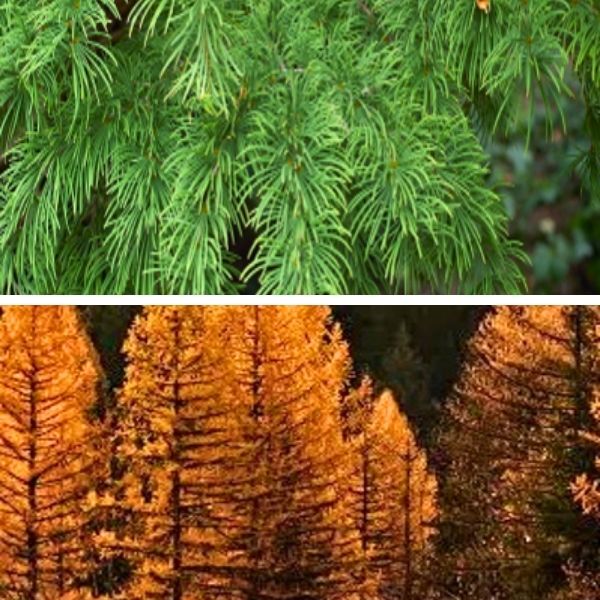
Larch or Tamarack
Larch, or Tamarack, is a paradox of strength and surrender — a conifer that loses its needles each fall, standing bare through the long northern winter before returning to life each spring in a luminous flush of gold-green. Its presence signals resilience, adaptability, and purity.
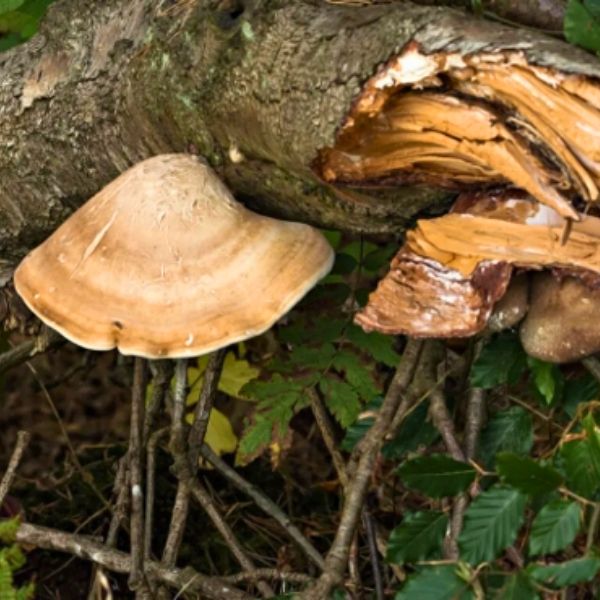
Birch Polypore
Is one of humanity’s oldest known medicinal mushrooms, intimately associated with survival, protection, and endurance. Archaeological evidence shows it was carried by Ötzi the Iceman over 5,000 years ago—likely for both medicinal and practical purposes.
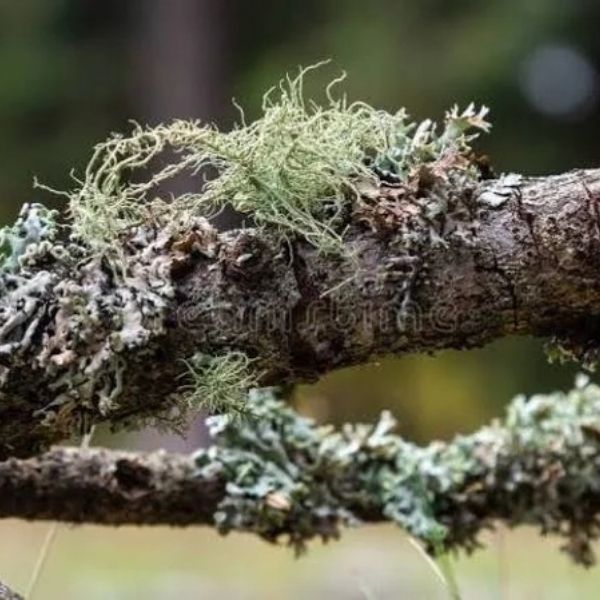
Usnea
Usnea spp. (“Old Man’s Beard”) a pale, beard-like lichen that adorns old trees like threads of ancient wisdom. It is actually a symbiotic union between an algae (which provides photosynthesis) and a fungus (which provides structure and protection). Together, they form one of nature’s oldest living partnerships — a symbol of cooperation, interdependence, and quiet endurance. Usnea grows only where the air is clean, making it a natural bioindicator of environmental purity. Where it thrives, the land still breathes well.